

Getting a new tattoo is an exciting experience, but the way you take care of it afterward has a huge effect on how it heals, how the colors settle, and how your tattoo will look years from now. Aftercare isn’t complicated, but it does require consistency and attention during the first few weeks. Whether it’s your first tattoo or one of many, following the tattoo aftercare guide will help your skin heal cleanly and keep the artwork sharp and vibrant.

Why It Matters to Follow the Tattoo Aftercare Guide
A fresh tattoo is technically an open wound, and your skin needs time to recover. Good aftercare reduces the risk of infection, helps minimize redness and irritation, and ensures the ink holds well during the healing process. Even the most skilled artist cannot control how your body heals, and half of the final result depends on how well you care for your tattoo in the days and weeks after your appointment. With following the tattoo aftercare guide, the lines stay clean, the shading heals evenly, and the color remains bright.
The First 24 Hours
The first day is one of the most important stages of healing. After your session, the tattoo will be covered with a protective film to prevent bacteria from entering. You should keep this film on for the recommended time, usually a few hours, or longer if your artist uses a second-skin bandage.
When it’s time to remove the film, wash your hands first, then gently clean the tattoo using lukewarm water and a mild, fragrance-free soap. Avoid scrubbing or rubbing the skin. Pat the area dry with a clean paper towel and let the tattoo breathe; you generally do not need to apply lotion on the first day. The goal is to keep the area clean and free from irritation.
In the tattoo aftercare guide, it’s important to avoid touching the tattoo unnecessarily, exposing it to dirt, or applying scented or heavy products too early. Letting the tattoo settle during this first period helps the skin start healing smoothly.
Days 2–14: Establishing a Care Routine
Over the next one to two weeks, your tattoo will enter its main healing phase. During this time, wash the area gently once or twice a day using the same mild soap from Day 1. After washing, you can begin moisturizing, but following the tattoo aftercare guide, only with a thin layer of a fragrance-free lotion or a tattoo-specific aftercare cream. Using too much cream can clog pores or create irritation, so a light, even layer is enough.
It’s normal for the tattoo to peel or flake during this stage — similar to a sunburn. This is your skin renewing itself and does not indicate a problem. As tempting as it may be, avoid picking or scratching the peeling skin, as doing so can damage the tattoo or pull out the pigment. Showers are fine, but keep them short and avoid letting hot water hit the tattoo directly for long periods.
If your tattoo is in an area that rubs against clothing or sweats easily, be extra careful. Friction and moisture can slow down healing, so wearing loose clothing and avoiding heavy workouts for a few days can make a big difference.
Peeling, Itching, and What’s Normal
Almost every tattoo will go through a stage where it looks slightly dull or cloudy and starts peeling. This is completely normal. Light itching is also expected as the skin closes and regenerates. In the tattoo aftercare guide, what you should watch for are signs that don’t match typical healing: redness that grows instead of fading, intense swelling, sharp pain, or any discharge that looks unusual. These can indicate irritation or, in rare cases, the beginning of an infection.
Recognizing Infection Signs
While infections are uncommon when correctly followed the tattoo aftercare guide, they can happen if the tattoo is exposed to bacteria or if the skin is irritated aggressively. Warning signs may include thick yellow or green discharge, a foul smell, expanding redness, heat around the tattoo, fever, or persistent pain that worsens instead of improving. If you notice symptoms like these, it’s best to consult a professional immediately.
What to Avoid During Healing
During the first few weeks, your tattoo is vulnerable. Direct sunlight is one of the biggest factors that affect fresh ink, so the tattoo aftercare guide is to keep the tattoo covered or out of the sun. Swimming in pools, hot tubs, lakes, or the ocean should be avoided entirely until the tattoo is fully healed, as submerging the tattoo introduces bacteria and can pull out pigment.
Activities that create excessive sweat or friction — such as intense gym sessions, running, or wearing tight clothing — may delay the healing process. It’s also best to avoid saunas, steam rooms, or anything that exposes the tattoo to prolonged heat or moisture. Above all, resist the urge to pick at peeling skin or scratch itchy areas. Allowing the tattoo to shed naturally is key to keeping the artwork intact.
How Long Does It Take to Heal?
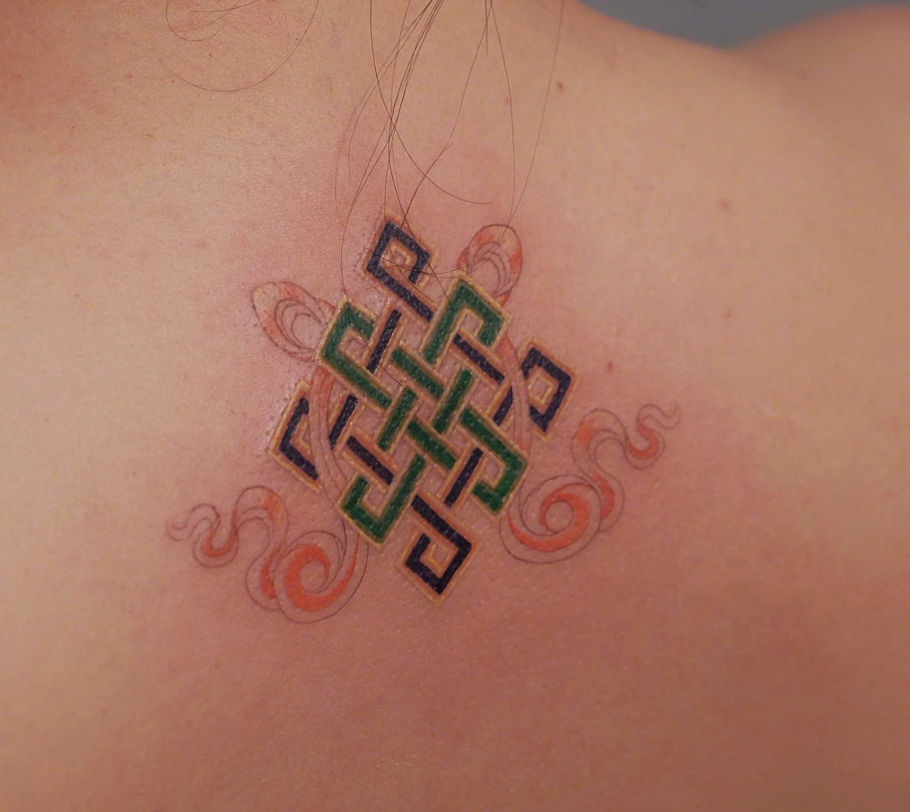
The surface of the tattoo typically heals within one to two weeks, but deeper layers of the skin continue to heal for several more weeks. Complete healing varies depending on the size of the tattoo, your skin type, and how closely you follow the tattoo aftercare guide. It’s normal for a tattoo to look slightly muted or foggy during the middle stages of healing. As the skin rebuilds and settles, the tattoo gradually becomes sharper and brighter.
Frequently Asked Questions
Can I shower after getting a tattoo?
Yes. A short, lukewarm shower is fine. Avoid soaking or letting strong water pressure hit the tattoo directly.
Why is my tattoo peeling?
Peeling is part of the natural healing process. Allow the skin to flake off on its own without picking.
What kind of lotion should I use?
Choose a fragrance-free, gentle moisturizer. Avoid heavy ointments unless your artist recommends them.
Can I work out?
Light exercise may be okay after a few days, but avoid any activity that rubs against the tattoo or creates excessive sweat.
When can I go swimming?
Wait until the tattoo is fully healed — usually around three to four weeks when correctly following the tattoo aftercare guide.
